
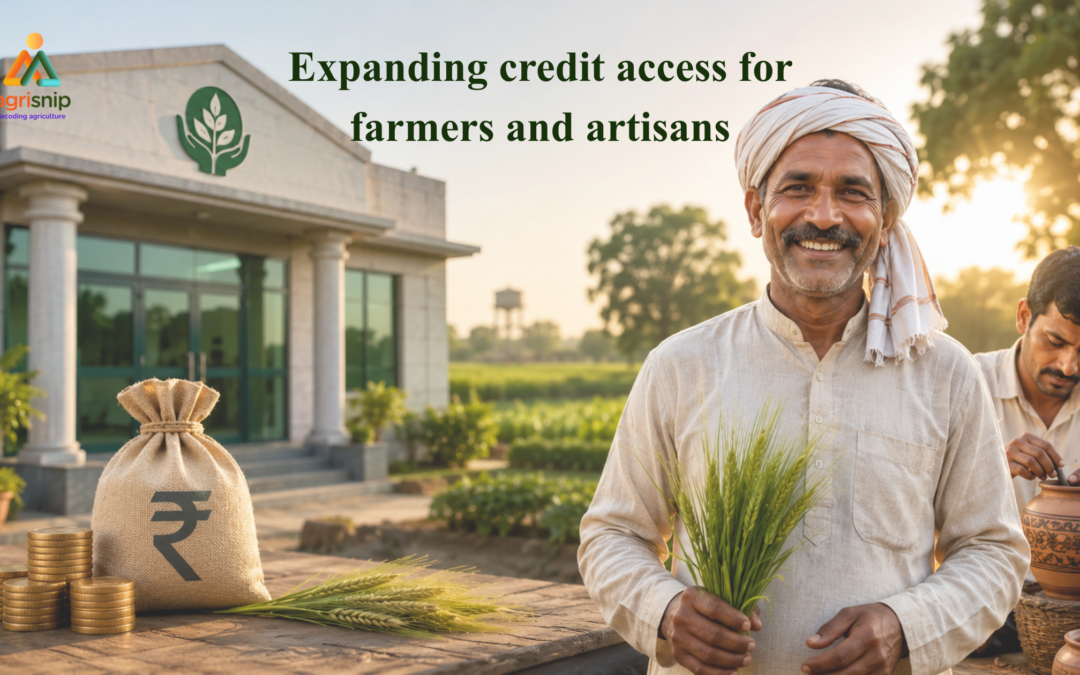
Delhi State Cooperative Bank is expanding its focus beyond traditional banking to reach farmers, artisans and other underserved communities. With NABARD encouraging greater diversification and stronger rural credit delivery, the move could open new financing opportunities while helping Delhi’s cooperative banking network respond to the evolving needs of its grassroots borrowers.
The Delhi State Cooperative Bank Ltd. (DStCB) is looking to broaden its role in the capital’s rural and semi-urban economy by strengthening financing opportunities for farmers, weavers, artisans and other underserved communities.
The move was highlighted during a capacity-building workshop organised by the National Bank for Agriculture and Rural Development (NABARD) for branch managers of DStCB. The workshop, organised by NABARD’s New Delhi Regional Office, aimed to strengthen the skills of cooperative bank officials while identifying opportunities to diversify their banking activities.
Focus on Farmers and Artisans
A key message from the workshop was the need for cooperative banks to give greater priority to the credit requirements of farmers, weavers and artisans. These groups often require timely and accessible institutional finance to support production, purchase equipment, manage working capital and expand their livelihoods.
For DStCB, entering or expanding financing in these segments could help the bank build a broader customer base while strengthening access to formal credit across Delhi’s underserved communities.
The bank’s existing mandate already covers financial assistance to urban and rural areas of Delhi. According to its official profile, DStCB operates as a scheduled state cooperative bank and has 50 branches across the National Capital Territory.
NABARD Pushes Cooperative Banking Reforms
NABARD Chief General Manager Nabin Kumar Roy, who inaugurated the programme, underlined the importance of cooperative banks in advancing financial inclusion and supporting local economic development.
The workshop covered several areas relevant to the future of cooperative banking, including KYC compliance, cyber security, fraud risk management, cooperative governance, customer protection and the Integrated Ombudsman Scheme.
Participants also discussed farmers’ credit requirements and opportunities for diversification into areas such as MSME financing and digital banking.
The emphasis on technology is particularly significant as cooperative banks increasingly need to combine their grassroots presence with faster and more customer-friendly digital services.
Strengthening Last-Mile Credit
For farmers and artisans, the availability of a nearby financial institution can be important because access to formal credit can influence their ability to invest in productive activities and manage financial requirements.
NABARD has therefore encouraged cooperative banks to move beyond traditional banking activities and develop services that respond more closely to local economic needs.
During the workshop, NABARD also expressed confidence that stronger cooperative institutions in Delhi could create new business opportunities, improve access to credit and help beneficiaries connect with government-supported programmes.
Digital Transformation and Business Diversification
Rajiv Kumar Kadyan, Managing Director (Officiating) of DStCB, called on branch managers to contribute to the transformation of cooperative banking through innovation, customer-focused services and greater digital adoption.
This shift could become increasingly important as the bank looks to diversify its lending portfolio. Expanding services for farmers, artisans and MSMEs, alongside digital banking, could allow DStCB to serve a wider range of economic activities.
NABARD has also highlighted the importance of strengthening grassroots cooperative institutions in Delhi. The organisation expressed the hope that stakeholder efforts could support the development or revival of at least one vibrant Primary Agricultural Credit Society (PACS) or Multi-Purpose Agricultural Cooperative Society (MPACS) in the National Capital Territory.
How the Move Could Benefit Delhi State Rural Economy
The proposed expansion represents more than a lending opportunity for DStCB. It signals a broader effort to make cooperative banking more relevant to farmers, artisans and small economic enterprises.
If implemented effectively, greater access to institutional finance could support livelihood activities, encourage formalisation and strengthen the connection between local producers and the formal financial system.
The initiative also aligns with the broader cooperative-sector vision of “Sahakar Se Samriddhi”, which seeks to strengthen grassroots cooperative institutions and promote inclusive economic development.
For Delhi’s farmers and artisans, the real impact will ultimately depend on how effectively these financing opportunities reach eligible borrowers and whether the bank can deliver timely, affordable and customer-centric credit.
Conclusion
The Delhi State Cooperative Bank’s move to expand financing for farmers, artisans and other underserved groups could strengthen access to formal credit across Delhi’s rural economy.
With NABARD’s focus on digital banking, diversification and stronger cooperative institutions, the initiative could help DStCB reach more borrowers while supporting livelihoods and local economic activity. Its success, however, will depend on how effectively these financial services reach the people who need them most.
