
Uttarakhand Summer Paddy Ban: Why Rice Cultivation Is Restricted to Save Groundwater

Uttarakhand Summer Paddy Ban: Why Rice Cultivation Is Restricted to Save Groundwater

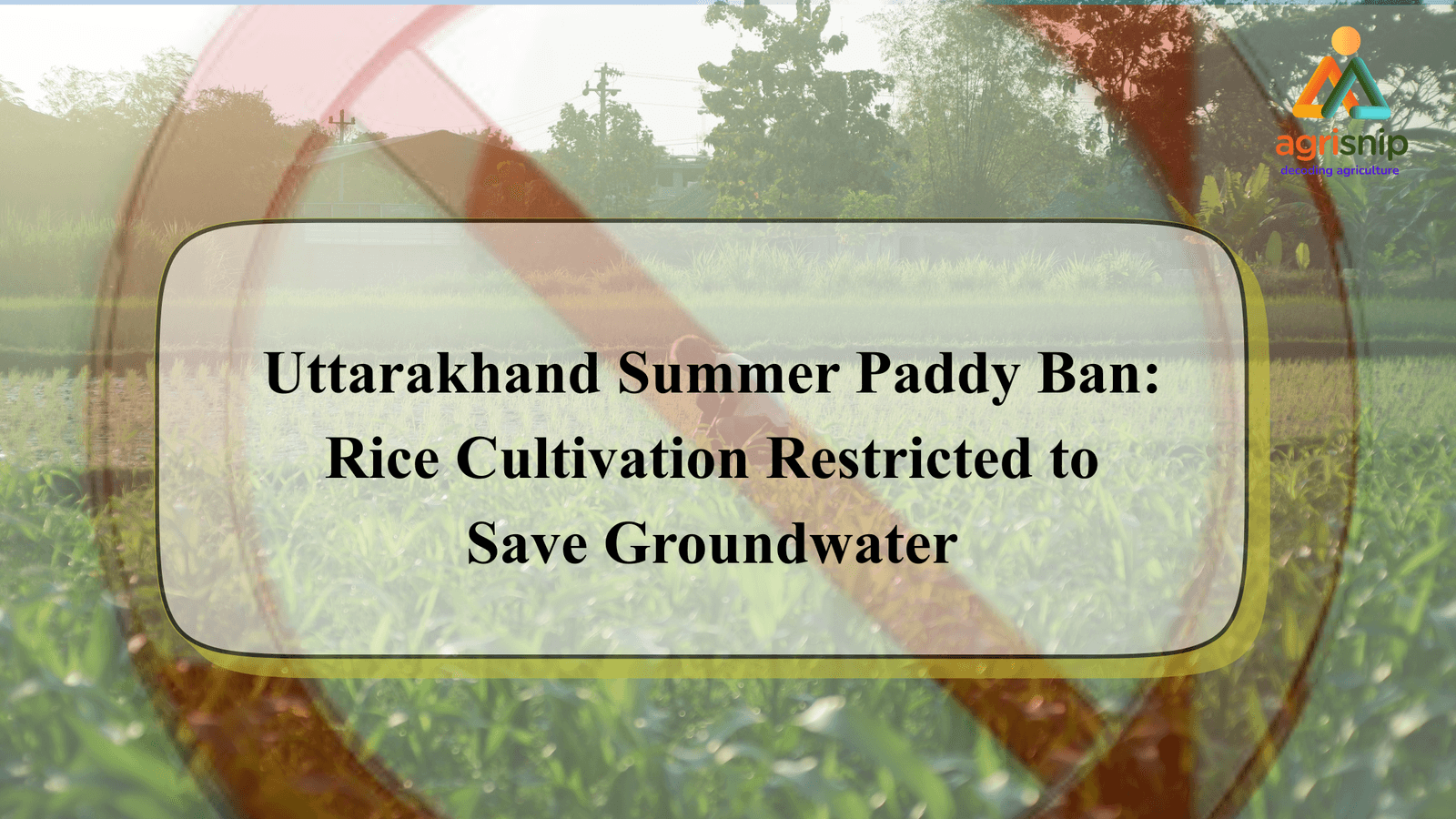
Uttarakhand has taken a major policy step to address its growing water crisis. The state administration has announced a summer paddy cultivation ban in Udham Singh Nagar, a district known as the “food bowl” of Uttarakhand. The restriction will remain in force from February 1 to April 30, a period when groundwater stress is at its peak.
This Uttarakhand summer paddy ban is aimed at protecting rapidly depleting groundwater resources in the Terai region. While the decision has raised concerns among farmers, officials say it is necessary to ensure long-term water security and sustainable agriculture.

Why Udham Singh Nagar Is at the Centre of the Rice Ban

Udham Singh Nagar plays a vital role in Uttarakhand’s agricultural economy. Its fertile soil, flat terrain, and irrigation infrastructure have made it a hub for rice cultivation. Over time, however, intensive farming practices have led to excessive groundwater extraction.

The rice ban in Uttarakhand, particularly in Udham Singh Nagar, underscores the detrimental impact of unchecked agricultural expansion on natural resources. Tube wells are heavily used in this district, and groundwater levels have dropped significantly in many areas. Authorities believe that without immediate action, the region could face severe water shortages affecting farming and household needs.

Why Summer Paddy Cultivation Is a Major Concern

Rice is one of the most water-intensive crops in India. During the summer, paddy cultivation relies almost entirely on groundwater, as rainfall is minimal. High temperatures further increase water demand and evaporation losses.

Experts point out that groundwater depletion due to rice farming has reached alarming levels in the Terai belt. Unlike monsoon paddy, summer paddy does not benefit from natural recharge, making it environmentally unsustainable. This is why the summer paddy ban in Udham Singh Nagar targets only the summer season and not the main kharif crop.

Scope of the Summer Paddy Cultivation Ban

The ban applies fully to Udham Singh Nagar district. Officials have also indicated that similar restrictions may be introduced in parts of Haridwar and Nainital if groundwater conditions continue to worsen.

Nearly 15,000 farmers are expected to be affected by the decision. Agricultural output worth around ₹150 crore is linked to summer paddy cultivation in this region. This has made the policy both environmentally significant and socially sensitive. The government has clarified that the move is not anti-farmer but pro-sustainability.

Groundwater Conservation in Uttarakhand

Groundwater conservation in Uttarakhand has become a priority due to falling water tables and erratic rainfall patterns. Continuous rice-wheat cropping has reduced natural recharge and increased dependency on borewells.

Environmental experts warn that groundwater is a slow-renewing resource. Once depleted, recovery can take decades. The current situation calls for immediate and firm action. The summer paddy cultivation ban is part of a broader effort to balance food production with environmental protection.

Impact of Uttarakhand Summer Paddy Ban on Farmers

For farmers, the ban brings economic uncertainty. Many depend on summer paddy to maintain cash flow between the rabi and kharif seasons. Sudden changes in cropping patterns can disrupt income planning. There are also concerns about access to seeds, markets, and price support for alternative crops. Small and marginal farmers may find it difficult to shift without guidance.

Farmer groups have requested compensation, training programs, and procurement assurance. Their response shows that environmental policies must be supported with practical solutions on the ground.

Alternatives to Paddy Cultivation in Summer

Agricultural scientists suggest several alternatives to paddy cultivation in summer that require less water. These include maize, pulses, oilseeds, fodder crops, and certain short-duration vegetables.

These crops not only save water but also improve soil health and reduce pest cycles. Crop diversification in Uttarakhand can help farmers reduce risk and dependency on a single crop. However, successful adoption will depend on government support, extension services, and market connectivity.

Learning from Other Water-Stressed States

States like Punjab and Haryana have faced similar issues due to rice-dominated farming systems. Delayed paddy transplantation and diversification schemes were introduced to address groundwater depletion.

The rice ban in Uttarakhand reflects a growing national shift towards sustainable agricultural policies. Water availability is now shaping cropping decisions more than tradition or market demand. Uttarakhand can learn from the successes and challenges faced by other states while implementing this policy.

Sustainable Agriculture in Uttarakhand

The summer paddy ban signals a move toward sustainable agriculture in Uttarakhand. Productivity alone is no longer enough. Resource conservation has become equally important. Reducing dependence on groundwater today can protect farming livelihoods in the future. Sustainable practices ensure that agriculture remains viable for the coming generations. If implemented carefully, the ban could encourage smarter water use and climate-resilient farming systems.

Stay updated with more of our agri news!

Conclusion

The Uttarakhand summer paddy ban is a difficult but necessary decision. It addresses a serious environmental challenge that threatens the region’s future. While the impact of the summer paddy ban on farmers cannot be ignored, the long-term benefits of groundwater conservation are far greater. With proper support, crop diversification, and farmer engagement, this policy can become a model for water-smart agriculture. Saving groundwater today is essential for ensuring food security and farmer livelihoods tomorrow.


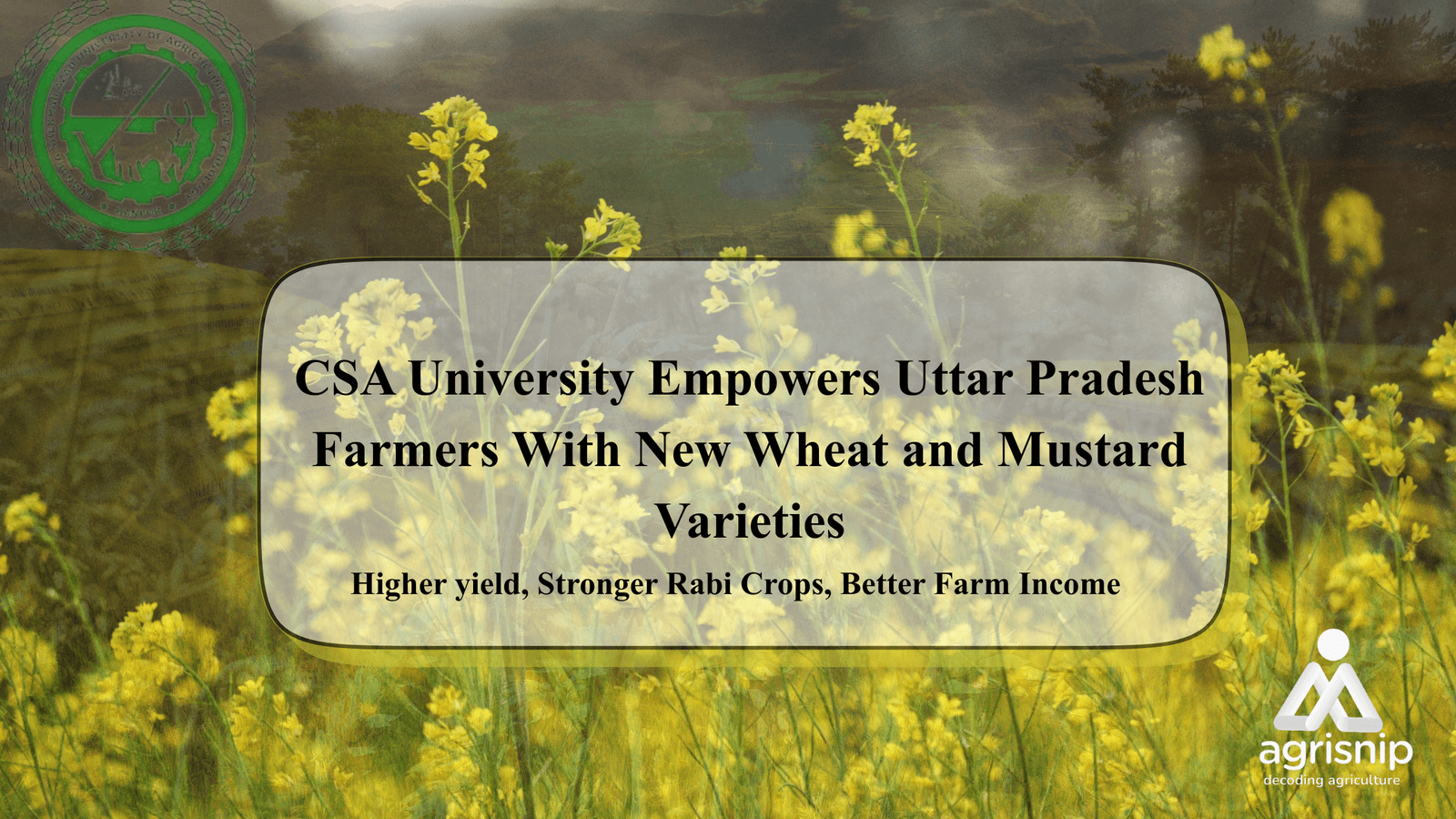
CSA University Releases New Wheat and Mustard Varieties to Boost Rabi Crop Production in Uttar Pradesh

CSA University Releases New Wheat and Mustard Varieties to Boost Rabi Crop Production in Uttar Pradesh

Chandra Shekhar Azad University of Agriculture and Technology (CSAUA&T), Kanpur, has recently released new varieties of wheat and mustard. These varieties play a crucial role in addressing the key challenges faced by Indian farmers. The new wheat and mustard varieties from CSA University have been officially approved by the State Seed Release Committee, making them suitable for cultivation across Uttar Pradesh and similar agro-climatic regions of North India.
The newly approved CSA University rabi crop varieties include two wheat varieties—K-1910 and K-1905—and one mustard variety named Azad Gaurav. These varieties are the outcome of years of field research and multi-location trials conducted under real farming conditions. Their release is expected to help farmers achieve higher yields, manage disease pressure, and cope better with soil and climate stress.

Why CSA University Wheat and Mustard Varieties Matter for Farmers

Wheat and mustard are among the most important rabi crops grown in North India. However, farmers often struggle with issues such as alkaline soils, wheat rust diseases, heat stress, and late sowing of mustard due to delayed harvesting of kharif crops.

The main goal of CSAU&T scientists was on creating climate-resilient wheat varieties for North India and a late-sowing mustard type that can sustain even in difficult circumstances. The newly released varieties are:

  • High-yielding and stable across locations
  • Resistant to major diseases and insect pests
  • Suitable for alkaline soil in UP
  • Adapted to both timely and delayed sowing
  • Designed to reduce dependence on chemical inputs

These improvements are especially beneficial for small and medium farmers who depend on reliable yields and lower production costs.

Other popular varieties by CSA University: https://www.csauk.ac.in/uploads/2021/09/CSAU-Varietal-Almanac-1.pdf

CSA University Kanpur Releases New Wheat Varieties

Among the major highlights are the new wheat varieties released by CSA University Kanpur—K-1910 and K-1905. These varieties are recommended for timely sowing under irrigated conditions and have shown excellent performance in alkaline soils common in several districts of Uttar Pradesh.

Key Features of New Wheat Varieties

K-1910
This wheat variety matures in about 125–130 days and produces an average yield of 35–40 quintals per hectare. It is one of the most promising wheat rust-resistant varieties, offering resistance to brown, yellow, and black rust. Reduced insect damage also helps lower input costs.

K-1905
K-1905 has a similar maturity period and yield potential. It performs particularly well under irrigated conditions and is considered one of the best wheat varieties for alkaline soil in UP. Its adaptability makes it suitable for farmers looking for stable returns.

Both varieties fall under high-yield wheat varieties for Uttar Pradesh and are expected to play a key role in improving wheat productivity while promoting sustainable farming practices.

Azad Gaurav: A New Mustard Variety for Late Sowing

Along with wheat, CSA University scientists have also introduced Azad Gaurav mustard variety, specially developed for late sowing conditions. Late sowing is a common challenge for mustard farmers due to climatic variability and cropping system constraints.

Azad Gaurav matures in 120–125 days and produces an average yield of 18–19 quintals per hectare. It is a high oil content mustard variety in India, with an oil content of around 39.6 per cent, making it more profitable for oilseed farmers.

This mustard variety for heat stress is tolerant to high temperatures and shows resistance to common diseases and insect pests. As a late sowing mustard variety, Azad Gaurav, it offers farmers greater flexibility and resilience under changing climate conditions.

CSAUA&T Kanpur Agriculture Research Behind These Varieties

Scientists involved in CSAUA&T Kanpur agriculture research claimed that the development of these varieties involved extensive multi-location trials, yield stability analysis, and disease screening. Their focus was not only on productivity but also on farmer-friendly traits such as reduced chemical dependency and adaptability to local conditions.

University officials stated that these rabi crop seed varieties approved by the State Seed Release Committee are designed for practical, on-field application rather than controlled laboratory performance. The aim is to strengthen food security, boost oilseed production, and support crop diversification in Uttar Pradesh.

Benefits of New Wheat and Mustard Varieties for Indian Agriculture

The release of these new wheat and mustard varieties in Uttar Pradesh is expected to bring multiple benefits:

  • Increased crop productivity and yield stability
  • Reduced losses from wheat rust and insect damage
  • Better performance in alkaline and stressed soils
  • Higher farmer income due to improved oil content in mustard
  • Lower cultivation costs from reduced chemical use

Together, these benefits support sustainable farming and help farmers cope with climate and soil-related challenges.

What Farmers Should Know Before Adopting These Varieties

Farmers planning to cultivate CSA University wheat varieties or the Azad Gaurav mustard variety should:

  • Follow the recommended sowing time and spacing
  • Use certified seeds from authorised sources
  • Maintain balanced nutrient and irrigation management
  • Seek guidance from local Krishi Vigyan Kendras (KVKs) or agriculture officers

Proper crop management will help farmers realise the full yield potential of these varieties.

Read more Agri News here: https://agrisnip.com/agri-news/#google_vignette

Conclusion

The introduction of CSA University’s new wheat and mustard varieties marks a significant milestone in strengthening rabi crop production in Uttar Pradesh. With traits like high yield, disease resistance, and climate adaptability, these varieties offer practical solutions to the real problems faced by Indian farmers. As agriculture continues to face challenges from climate uncertainty and soil stress, research-driven innovations such as K-1910, K-1905, and Azad Gaurav will play a vital role in improving productivity, ensuring food security, and enhancing farmer livelihoods across North India.

The Use of Manufactured Fertilizers Can Lead to Various Health Issues, Natural Farming Helps To Earn More Income: Shah

The Use of Manufactured Fertilizers Can Lead to Various Health Issues, Natural Farming Helps To Earn More Income: Shah

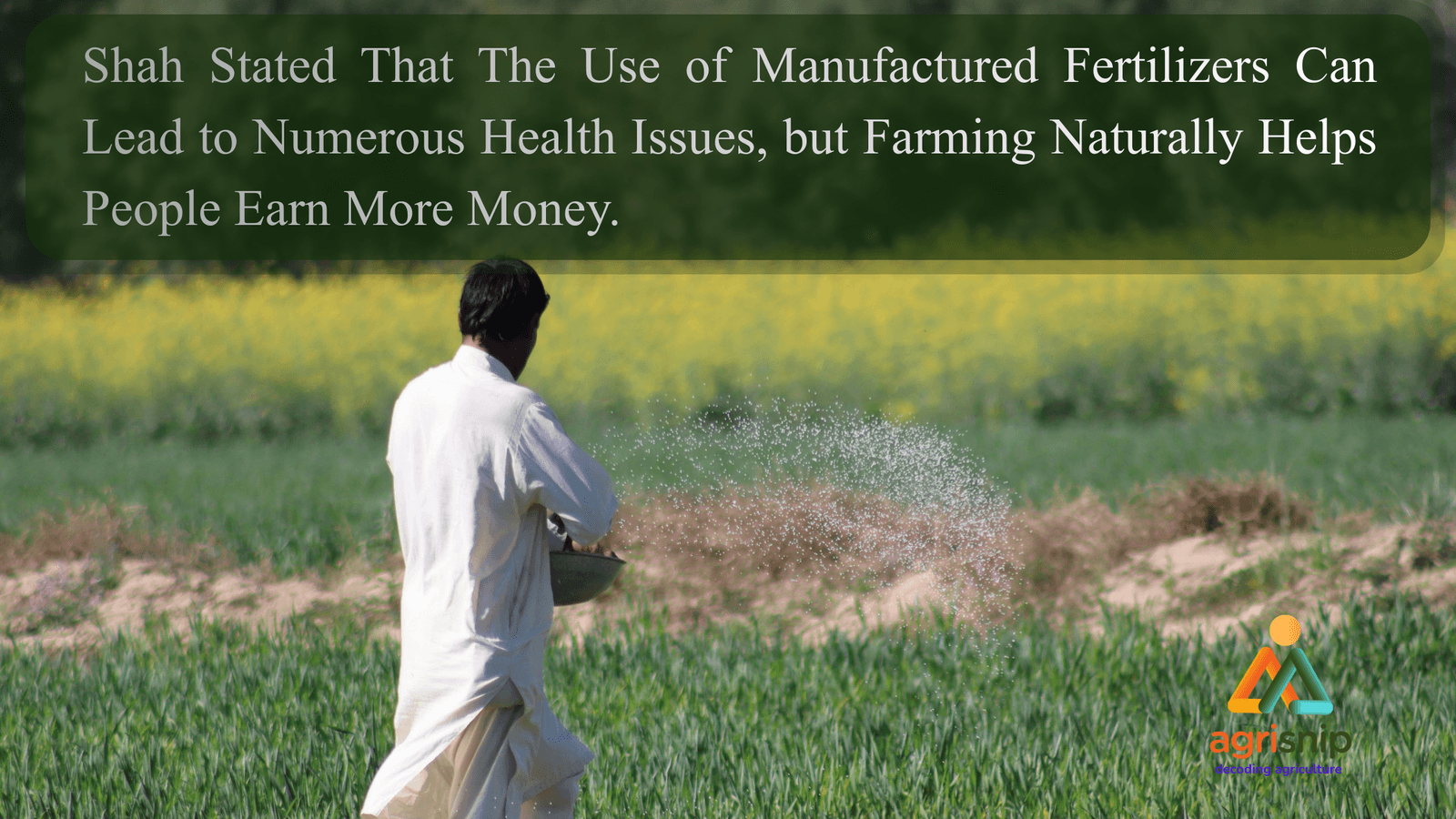
In Rewa, Madhya Pradesh, the central Minister for Home and Cooperation, Amit Shah, has greatly supported using natural farming everywhere in the country to help the environment. On December 25, during a meeting for farmers in Rewa, the Minister warned that using too many artificial fertilisers is the main cause of today’s many health issues.
He said that natural farming is good for more than just health, explaining that it has proven to be a good way to help farmers make at least 50 per cent more money, while also protecting the environment. In his speech, Amit Shah talked about a growing worry for families all over India: the rise in sicknesses caused by lifestyle, which comes from chemical substances. He stressed that farm chemicals eventually pollute the things we eat.

Shah stated, “Using too many chemical fertilisers is a big reason why we are seeing so many health problems now.” He argued that it is important to stop using these “poisons” and go back to using old, natural farming methods if we want to make sure the food we eat is safe and healthy for future generations.

Farmers often worry that stopping the use of artificial fertilisers and pesticides might lead to smaller harvests or profits, but the Minister dismissed these worries by sharing his own experience with organic farming. He said that he does organic farming on his own land and has seen a rise in production instead of a drop, along with lower costs.

He says that using organic farming methods could help a farmer make nearly twice as much money, mostly by greatly cutting down on the need for expensive things like chemical fertilisers and pest control products. A farmer can effectively farm up to 21 acres of land just by using the waste from only one local cow.

This cheap method also helps protect natural resources because it uses much less water and makes the soil better at staying productive for a long time, which makes farming better for the environment and saves money.

To make it easier for farm workers to switch over, the central government is creating a “complete plan”. All over the country, more than 400 places will be set up to check and prove the quality of both the land and the farm products, according to Minister Shah.

This proving system will let farmers in India sell their harvests as “completely pure” or “grown without artificial inputs” on the global market, where people are very interested and will pay more. To watch over everything from checking and wrapping to sending unprocessed farm products overseas, the Prime Minister Narendra Modi has also started two big groups that work together.

Prayagraj Farmers Embrace Organic Farming for Unique Turmeric Varieties

Prayagraj Farmers Embrace Organic Farming for Unique Turmeric Varieties

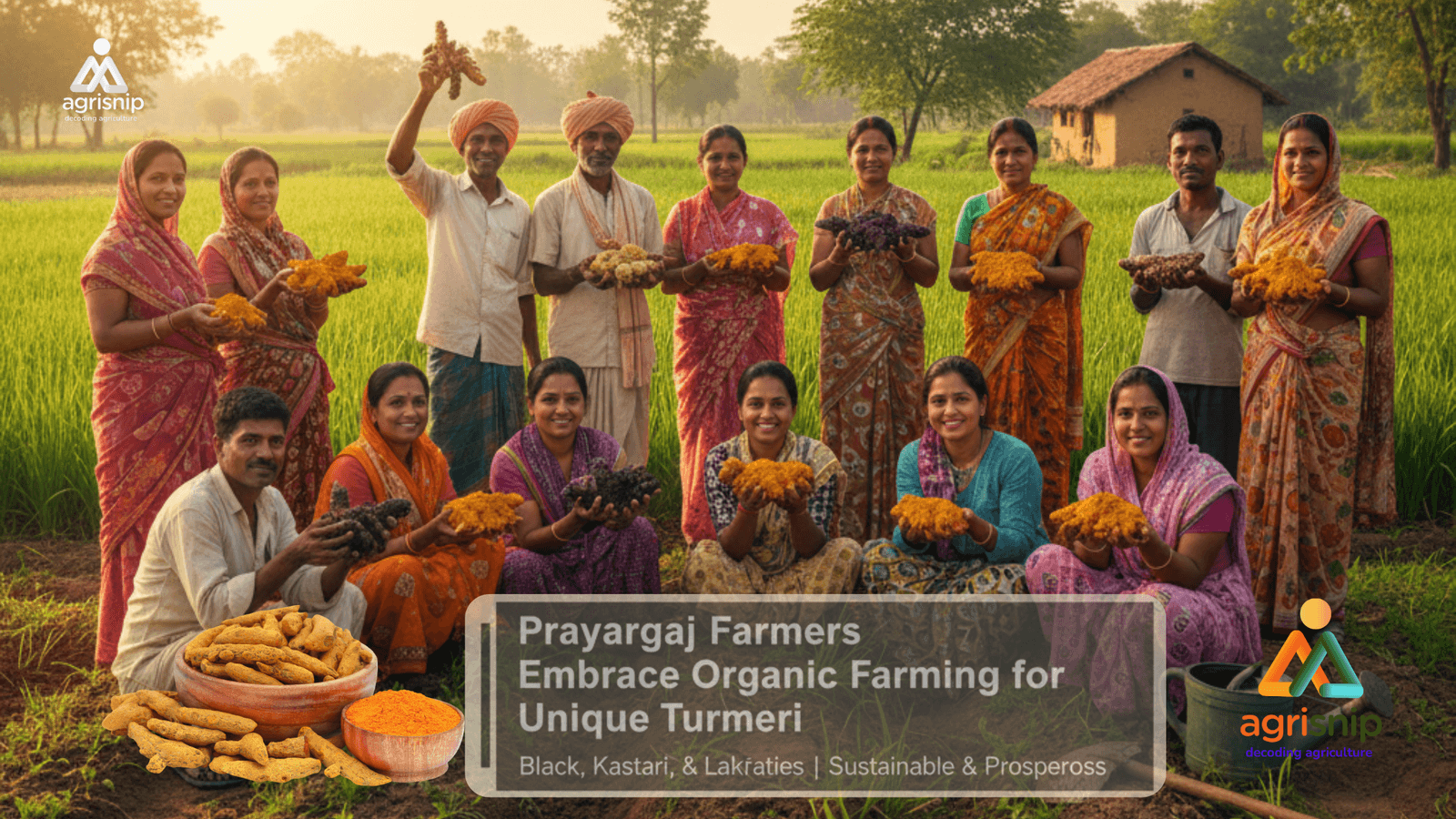
Farmers in Bhadauna village, Pratapgarh district of Uttar Pradesh, are learning to cultivate distinctive varieties of turmeric — including black turmeric, kasturi turmeric, lakadong turmeric, as well as traditional turmeric — through sustainable organic farming methods. This hands-on training covers everything from land preparation, seed selection, planting, irrigation, to post-harvest processes such as curing, drying, packaging, and marketing.

Leading this initiative is Utkrishit Pandey, a former Assistant Commandant of the Shastra Seema Bal (SSB), who has adopted and is imparting organic farming techniques learned from an institute in Karnataka. Pandey’s seven-acre farm serves as a practical model for farmers from several districts across Uttar Pradesh to acquire skills that reduce input costs while improving income and soil health.

Pandey explained that growing these unique turmeric varieties organically takes around eight to nine months. One of the vital practices includes the use of natural manure sourced from cow urine and dung collected locally. This approach aims not only to increase farmers’ earnings but also to promote biodiversity and eco-friendly farming practices that restore soil fertility.

“We are also cultivating and promoting ‘kala namak’ rice — a heritage variety from eastern Uttar Pradesh — alongside these turmeric varieties,” Pandey said. The organic farming focus is widely embraced by the majority of farmers in the region, who have reported improved living standards as a result.

This initiative represents a broader movement toward sustainable agriculture in the state, enhancing the production of high-value crops through traditional yet scientifically guided organic methods, which appeal to both domestic and niche markets for organic turmeric products. Farmers in Bhadauna village of Pratapgarh district, Uttar Pradesh, are gaining hands-on training in organic farming for unique turmeric varieties, including black turmeric, kasturi turmeric, lakadong turmeric, and traditional turmeric. Under the guidance of former SSB official Utkrishit Pandey, who learned organic cultivation techniques from a Karnataka-based institute, farmers are mastering sustainable methods covering land preparation, seed selection, planting, irrigation, and post-harvest processes like curing, drying, packaging, and marketing.

Pandey, devoted to promoting eco-friendly farming that reduces input costs and supports soil health, emphasized the cultivation of these special turmeric varieties alongside ‘kala namak’ rice, a heritage crop from eastern UP. He noted that organic turmeric cultivation takes about eight to nine months and relies on natural manures such as cow urine and dung sourced locally.

This initiative not only helps farmers improve their incomes but also nurtures a sustainable agricultural system that protects the environment and restores soil fertility. The adoption of organic turmeric farming is rising steadily among local farmers, contributing to better living standards and opening opportunities in niche organic produce markets.

India Sets New Record with 353.96 Million Tonnes of Foodgrain Production in 2024-25

India Sets New Record with 353.96 Million Tonnes of Foodgrain Production in 2024-25

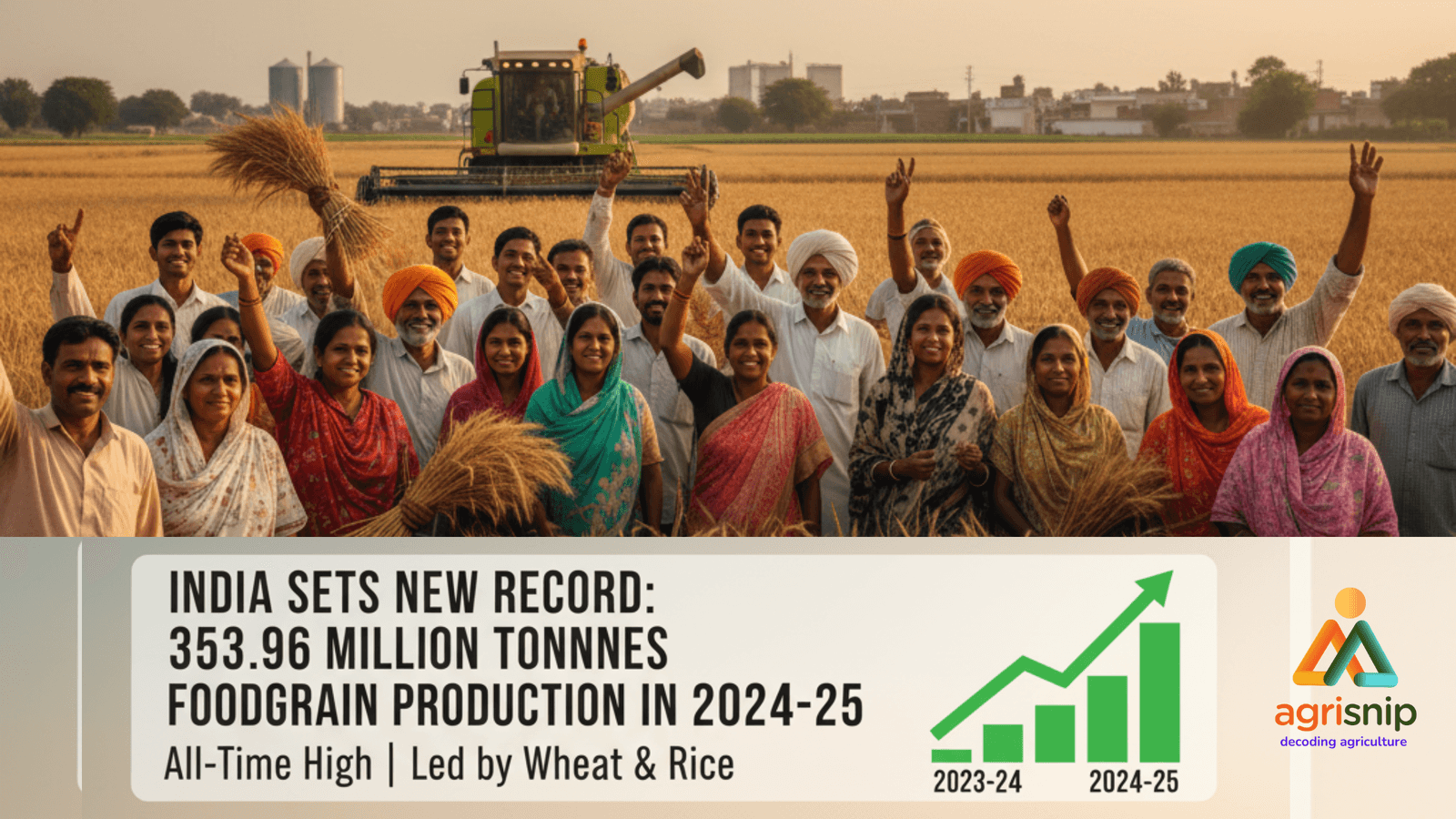
India has achieved a landmark in agriculture, registering an all-time high foodgrain output of 353.96 million tonnes for the 2024-25 season. This record includes 117.51 million tonnes of wheat and 149.07 million tonnes of rice, marking substantial growth over the previous year and reflecting the resilience of Indian farmers and advances in farm practices.
Central Role of Storage Infrastructure

With rising demand for both raw and processed food, robust storage systems are essential for year-round supply, food security, and preventing wastage. Modern warehouses, steel silos, and cold storage facilities—supported by dedicated government schemes—are enhancing the ability to maintain buffer stocks and facilitate stable supply through the Public Distribution System. The Food Corporation of India (FCI) and State agencies currently possess 917.83 lakh metric tonnes of covered and CAP storage capacity for central pool grains, complemented by 8,815 cold storage units with a collective capacity of 40.21 million metric tonnes for perishables.

Digital Transformation and Decentralized Storage

Decentralized storage solutions continue to expand, with the registration of 5,937 new Primary Agricultural Credit Societies (PACS) and the computerization of over 73,000 PACS as of June 2025. An additional outlay of ₹2,516 crore has been approved to further digitize PACS operations, boosting efficiency, transparency, and record-keeping throughout the agricultural supply chain.

Driving Agricultural Prosperity and Nutrition Security

Efficient and scientific storage—including bulk handling steel silos—helps minimize post-harvest losses and links farms to wider markets, empowering farmers to realize better returns. This infrastructure plays a critical role in supporting the food processing industry and ensuring nutritious food reaches every household. As production volumes hit historic highs, these advancements remain central to India’s commitment to food security and economic growth.

India’s focus on modernizing storage and supply chain management is transforming its agricultural landscape, enabling both greater prosperity for farmers and robust nutrition security for the nation.

Kharif Sowing Exceeds 1120 Lakh Hectares in 2025, Led by Gains in Rice and Cereals

Kharif Sowing Exceeds 1120 Lakh Hectares in 2025, Led by Gains in Rice and Cereals

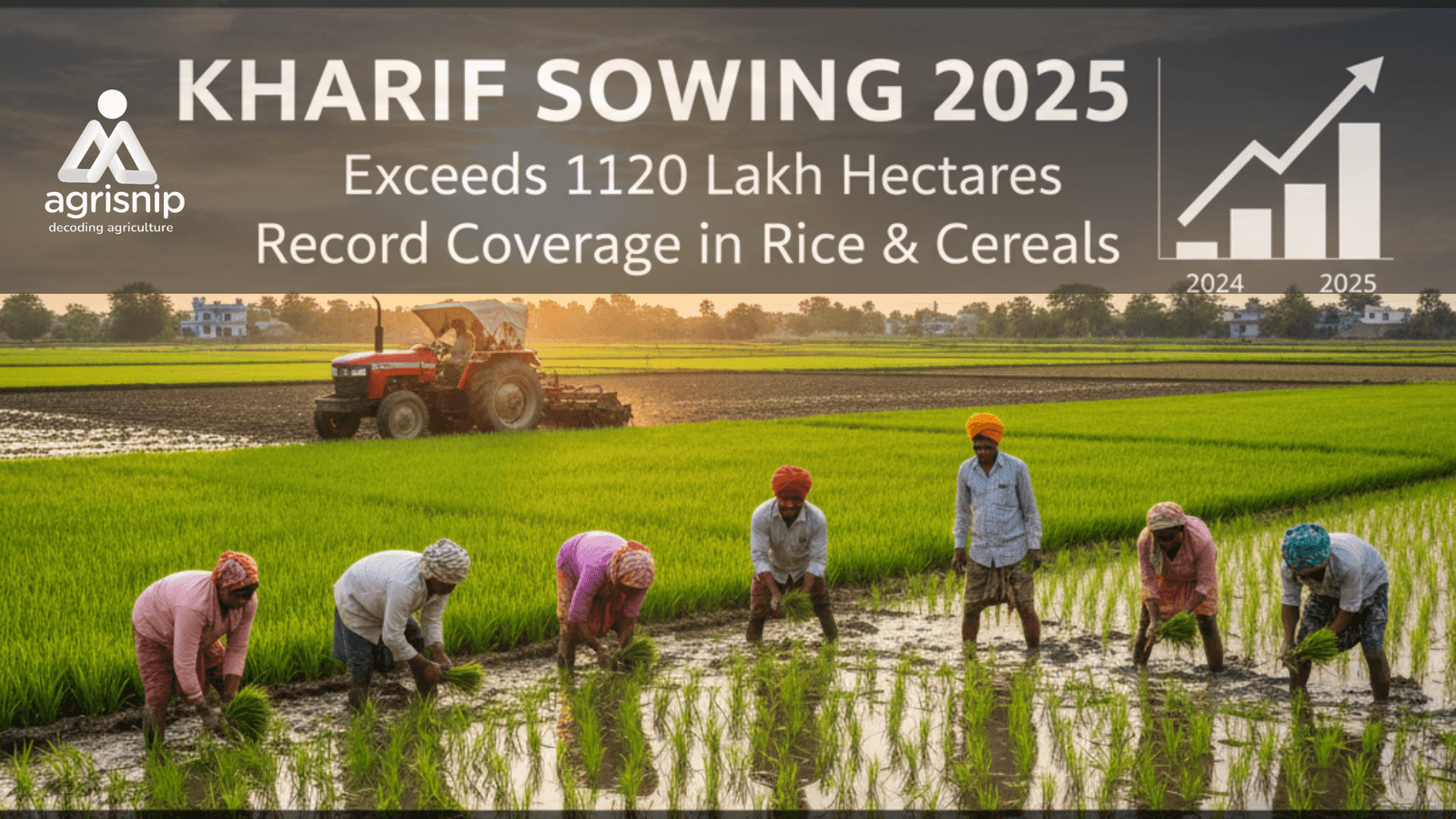
Kharif sowing for the 2025 season has surpassed 1120 lakh hectares, marking an increase in overall coverage compared to last year, according to the latest data from the Agriculture Ministry. As of September 26, total area sown reached 1120.73 lakh hectares—up from 1113.72 lakh hectares during the same period in 2024.

The increase is most visible in the rice and coarse cereal segments. Rice cultivation expanded to 441.58 lakh hectares, up from 435.68 lakh hectares last year. Coarse cereals posted a significant jump, with acreage rising to 194.67 lakh hectares, compared to 182.66 lakh hectares in the previous year. Pulses also recorded a marginal uptick, covering 119.85 lakh hectares, which further strengthens the country’s food grain supply prospects.

However, the season brought mixed results for other crops. Oilseed acreage fell sharply to 190.01 lakh hectares, a decline of over 10 lakh hectares from 200.52 lakh hectares last year. Cotton also saw a reduction, with the area sown declining from 112.95 lakh hectares to 109.98 lakh hectares. Jute and mesta recorded a small dip, decreasing to 5.56 lakh hectares from 5.75 lakh hectares.

In contrast, sugarcane continued its growth trend, with sowing climbing to 59.07 lakh hectares from last year’s 57.22 lakh hectares.

These patterns reflect changes in farmers’ preferences, guided by rainfall conditions, market signals, and various government policies. While the rise in staple grains like rice, cereals, and pulses supports national food security, the drop in oilseed and cotton acreage will require attention from policymakers moving forward.