
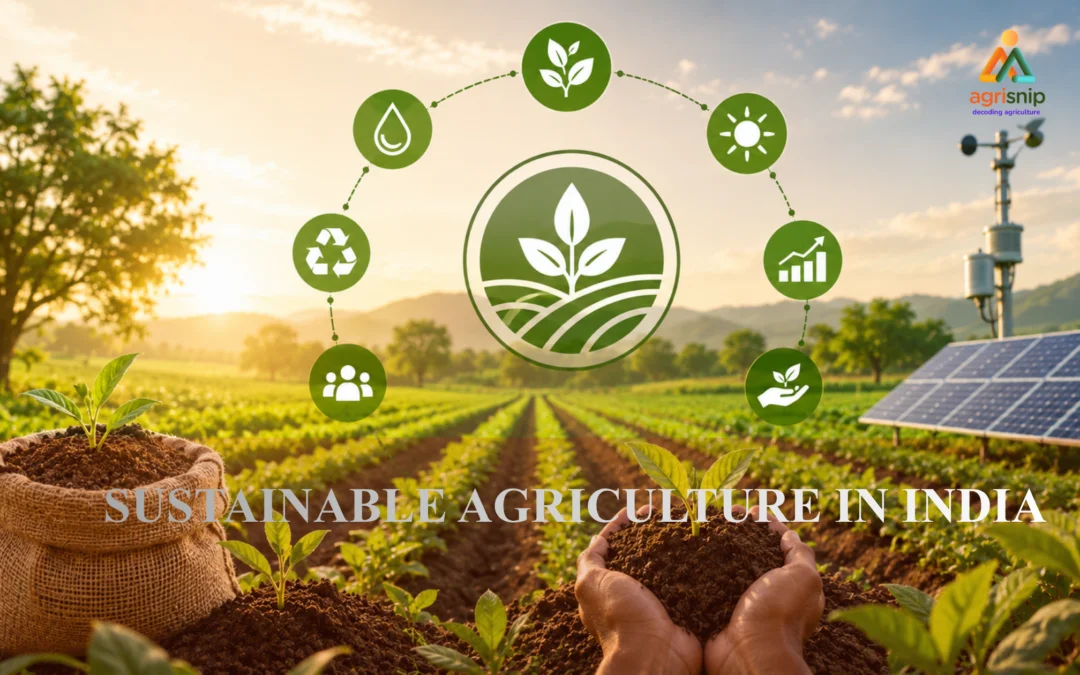
India’s agricultural sector stands at a turning point as rising concerns about fertiliser supply, climate uncertainties, and increasing production pressure reshape the future of farming. From sustainable agriculture practices to technology-driven solutions, the country is gradually moving towards climate-resilient agriculture that focuses on soil health, efficient resource use, and long-term food security.
India’s agricultural sector is entering a critical phase. Rising fertiliser supply concerns, unpredictable climate conditions, and increasing pressure on food production are pushing the country to rethink how farming is done. Instead of depending heavily on chemical-intensive practices, India is gradually moving towards more sustainable and climate-resilient agriculture.
The challenge is significant. Fertiliser prices across global markets have become volatile due to geopolitical tensions and supply chain disruptions. India, which imports a large share of its fertiliser raw materials, has been directly affected by these uncertainties. Reports suggest that disruptions in West Asia and shipping routes have increased the risk of higher input costs for farmers.
At the same time, climate risks are becoming harder to ignore. Forecasts of below-normal monsoon rainfall and possible El Niño conditions have raised concerns about lower crop productivity and rural income pressure. Agriculture in India still depends heavily on seasonal rainfall, making farmers vulnerable to irregular weather patterns.
In response, both government agencies and agri-tech stakeholders are encouraging sustainable farming solutions that reduce dependency on excessive fertiliser usage. Practices such as precision farming, organic nutrient management, crop rotation, and regenerative agriculture are gaining attention. These approaches not only help maintain soil fertility but also improve long-term productivity and water efficiency.
Digital innovation is also playing a growing role. States like Madhya Pradesh have introduced technology-driven fertiliser distribution systems linked with digital agricultural platforms to improve transparency and reduce misuse. Meanwhile, AI-based agricultural tools and precision farming technologies are helping farmers optimise fertiliser application instead of overusing inputs.
Another important shift is the growing awareness around soil health. For years, excessive urea usage has damaged soil quality in many farming regions. Experts now believe balanced nutrient management and sustainable practices are necessary to restore soil productivity and reduce environmental stress. Community discussions among farmers and agri experts also highlight the importance of regenerative farming for long-term agricultural stability.
Despite current challenges, the Indian government has assured that fertiliser stocks remain sufficient for the ongoing Kharif season. Authorities have also urged farmers to avoid panic buying while continuing efforts to secure imports and maintain stable supply chains.
India’s transition towards sustainable agriculture is no longer just an environmental conversation. It has become an economic and food security necessity. As climate uncertainties increase and global supply chains remain fragile, the future of Indian farming will depend on how effectively the country balances productivity with sustainability.
Read more news article here related to sustainable agriculture and agribusiness here https://agrisnip.com/agri-news/
Conclusion:
India’s move towards sustainable agriculture reflects a larger shift in how the country is preparing for future farming challenges. With climate risks increasing and fertiliser supply chains becoming more uncertain, sustainable practices are no longer optional but essential.
By combining technology, balanced nutrient management, and climate-resilient farming methods, India has the opportunity to build a stronger agricultural ecosystem that supports farmers, protects natural resources, and ensures long-term food security for the growing population.
